

Colosseum, Pantheon and Vatican Museums: how to organize your visits in Rome
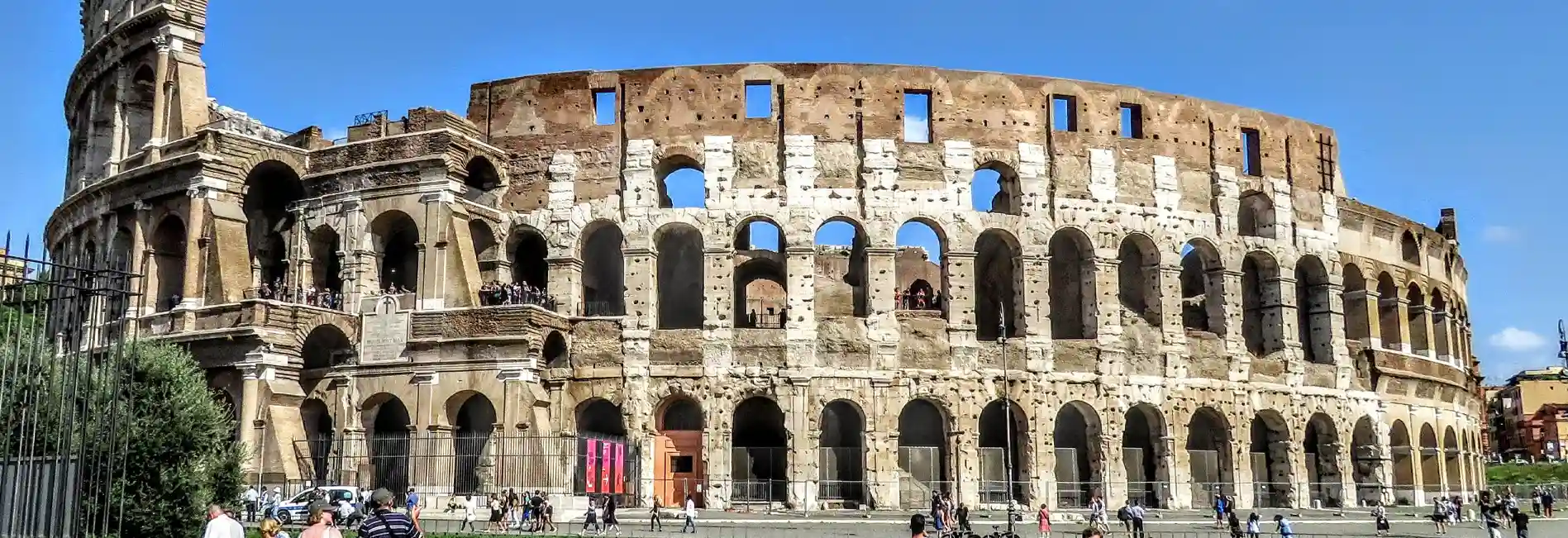
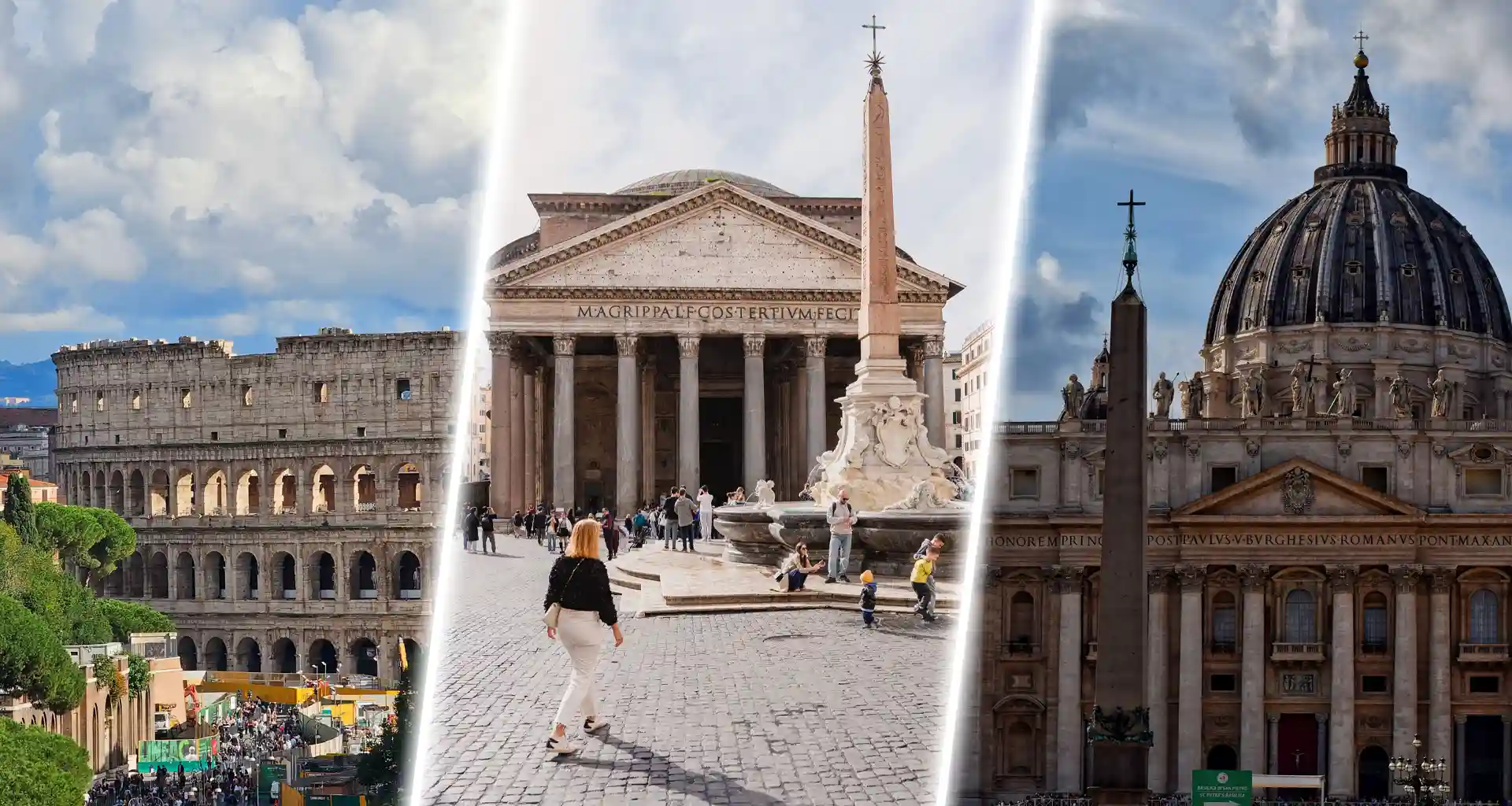
The Colosseum, the Pantheon and the Vatican Museums belong to very different periods in Rome's history. Bringing them together in the same itinerary allows you to move from the imperial city to one of its best-preserved temples and then to the collections assembled by the popes.
The key is to calculate distances carefully and respect the time assigned for each entry. If you are preparing your trip, you can check the available options and book your Colosseum tickets before organizing the rest of your visits.
How to organize visits to the Colosseum, the Pantheon and the Vatican Museums
The three monuments do not form a single route. Each visit has its own ticket, schedule and access point, so a combined booking makes management easier, but does not eliminate the need to arrive at the indicated time at each location.
Before deciding whether to fit them into one or two days, check what each ticket includes. The Colosseum is usually linked to the Roman Forum and Palatine Hill; the Vatican Museums include the Sistine Chapel in the route; and the Pantheon is a shorter visit. The difference in duration determines the entire itinerary.
It is advisable to start with the monument whose schedule is most difficult to change and leave some time between bookings. Security checks, the time needed to locate the entrance and any transport issues should be taken into account when planning, even if the distances on the map appear short.
Colosseum and Pantheon in one day
What to visit at each monument
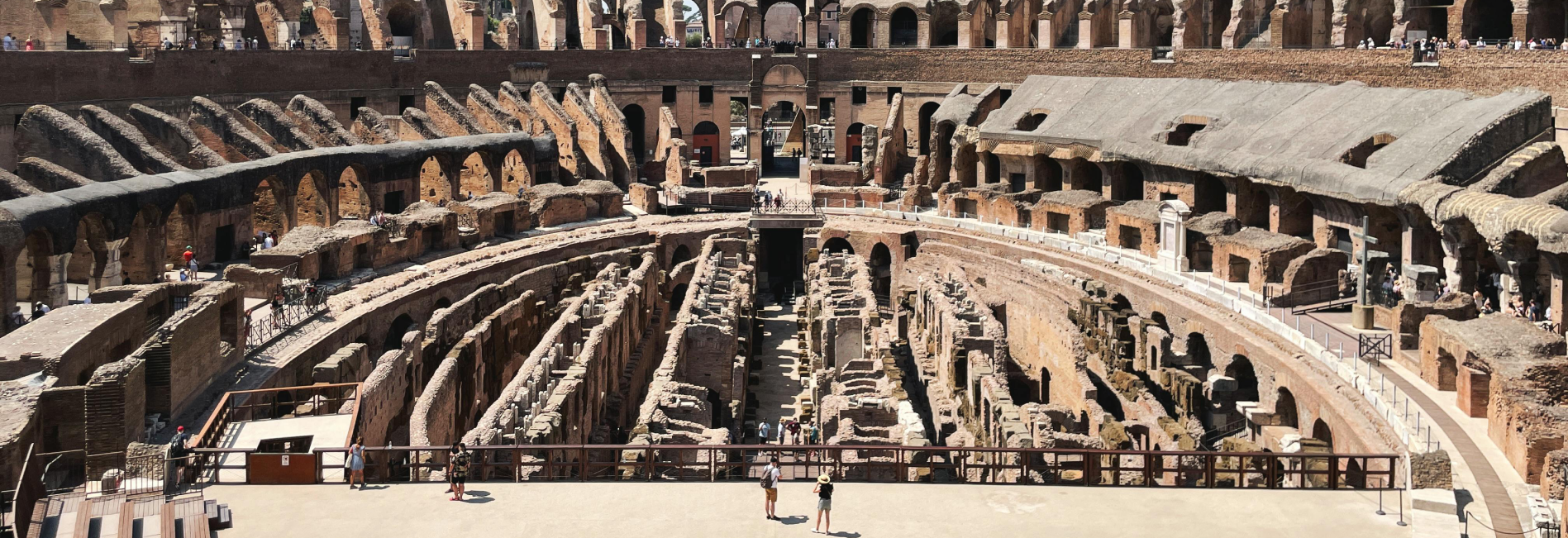
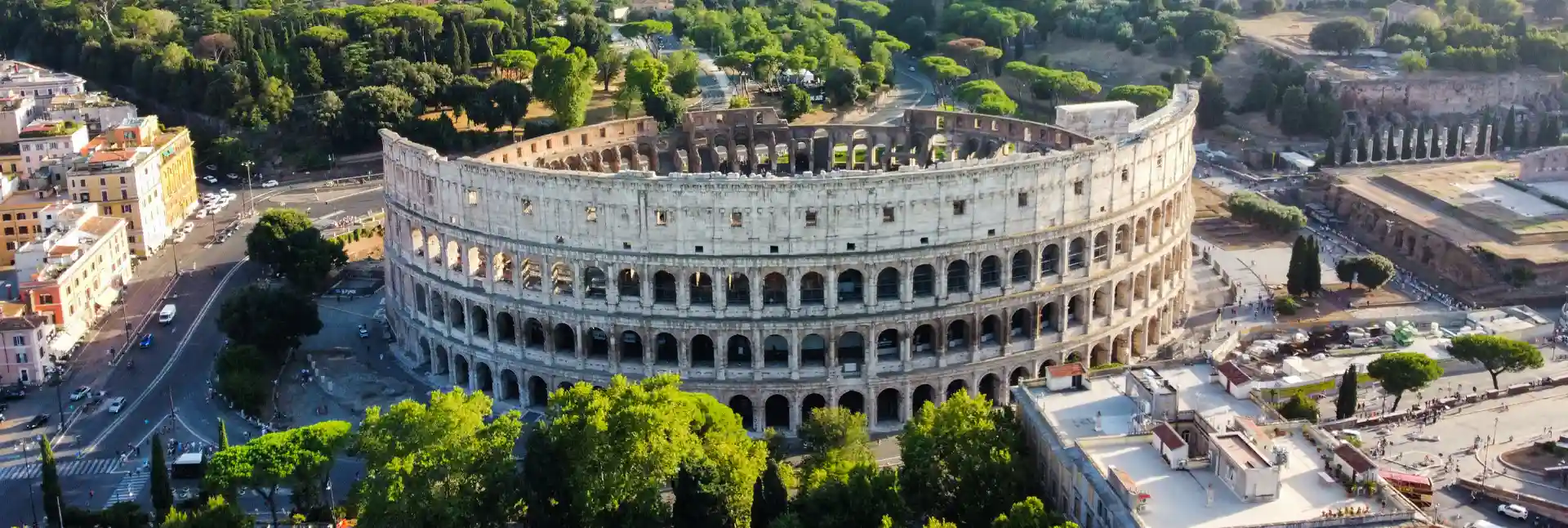
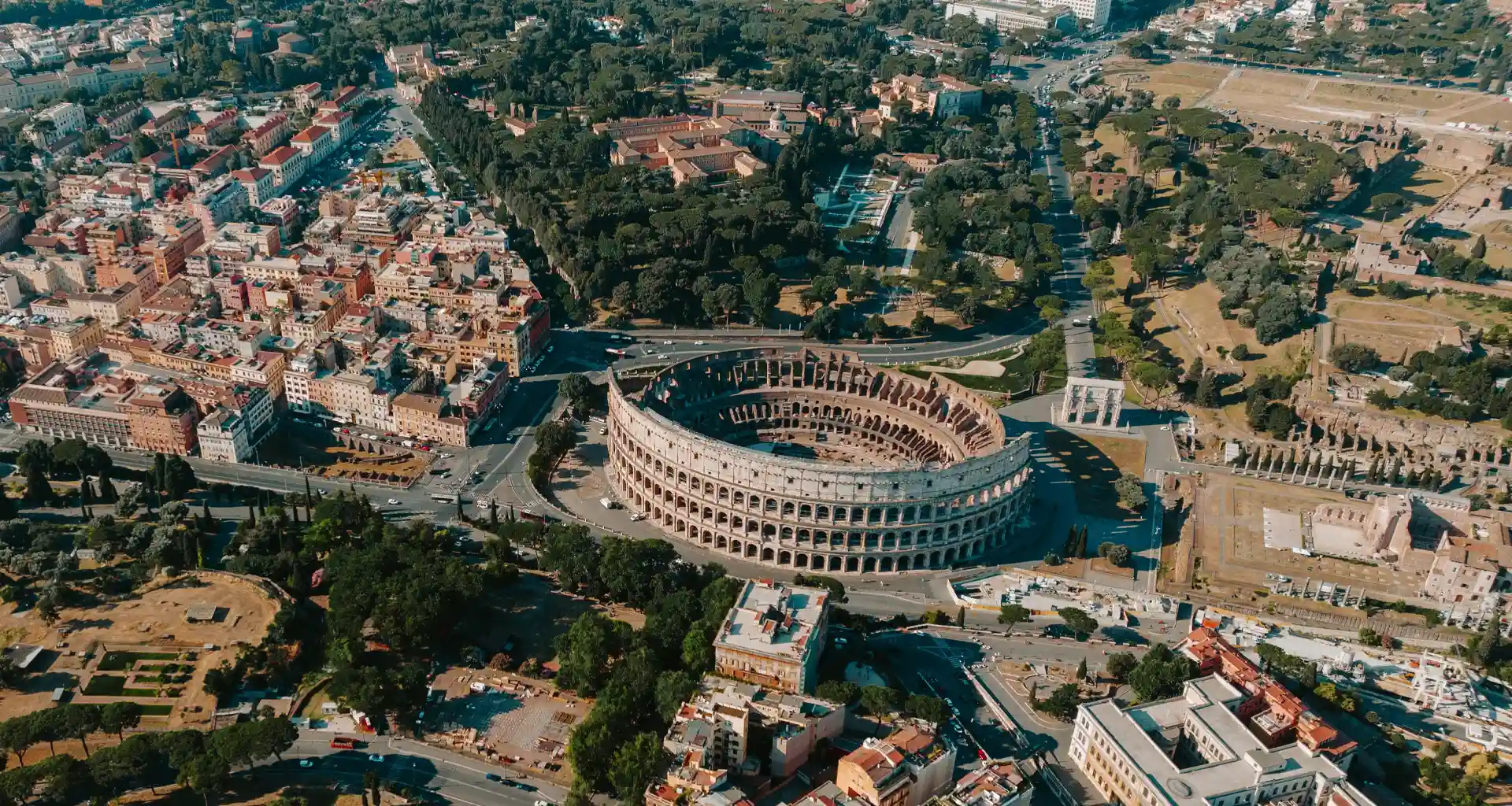
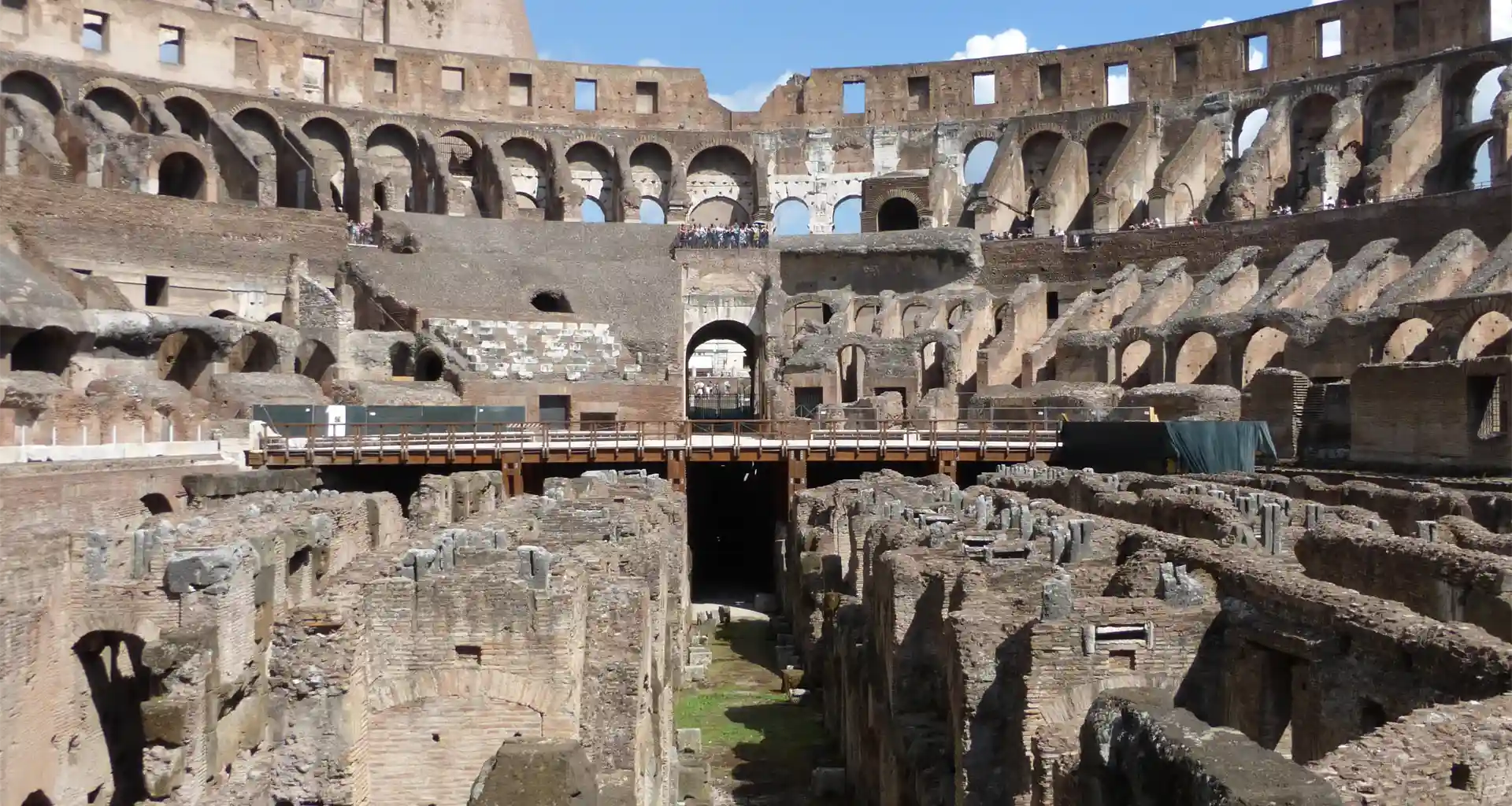
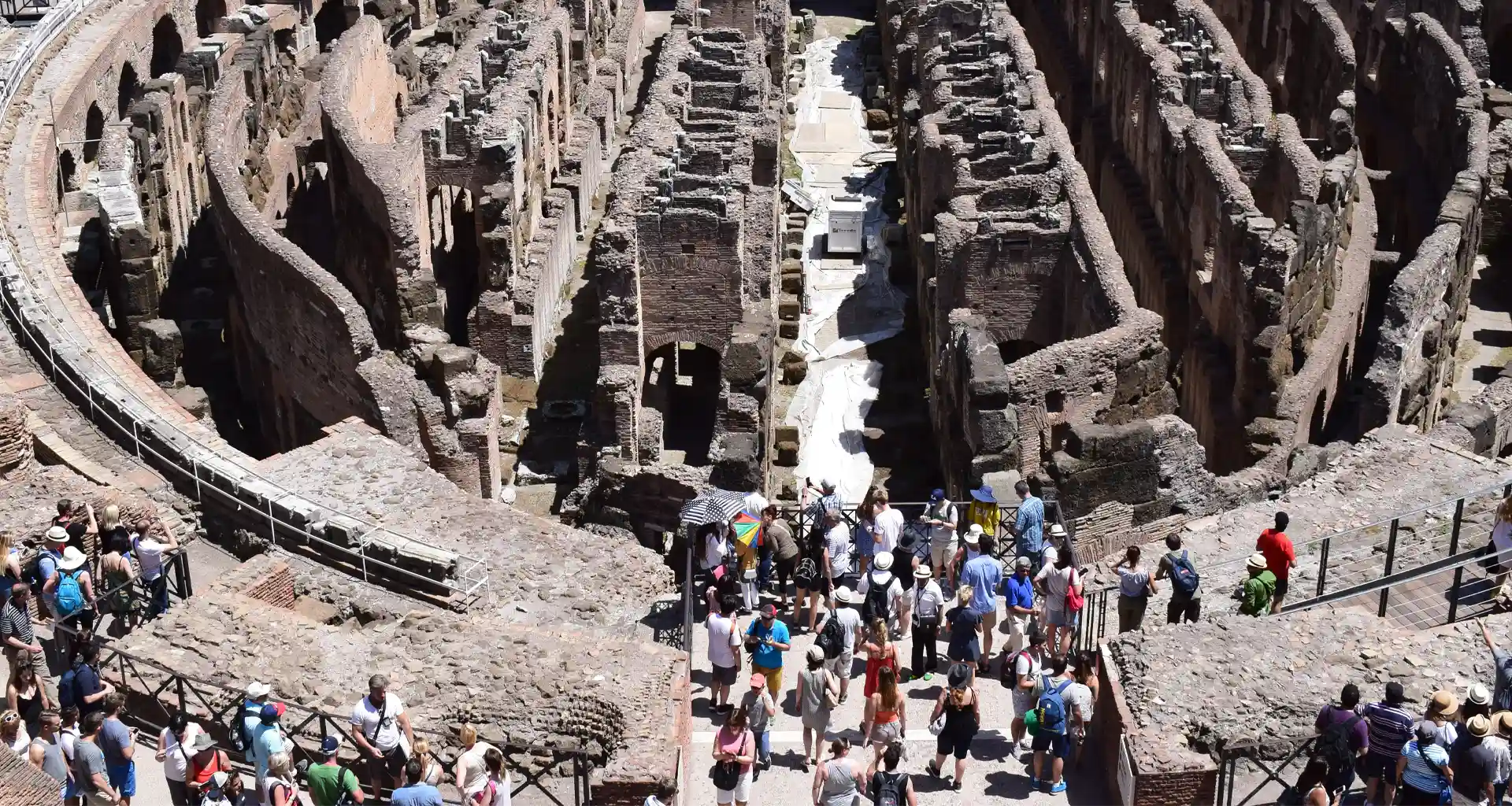
At the Colosseum, the general route allows you to see the Arena and the hypogeum from the accessible levels, as well as understand the organization of the seating areas. Many tickets also include the Roman Forum and Palatine Hill, two extensive areas that require their own time. If you want to explore the entire archaeological complex, allow at least half a day.
To decide which remains to prioritize, you can consult what to see at the Colosseum, Roman Forum and Palatine Hill. This selection helps you adjust the route without turning the visit into a race between temples, basilicas, arches and viewpoints.
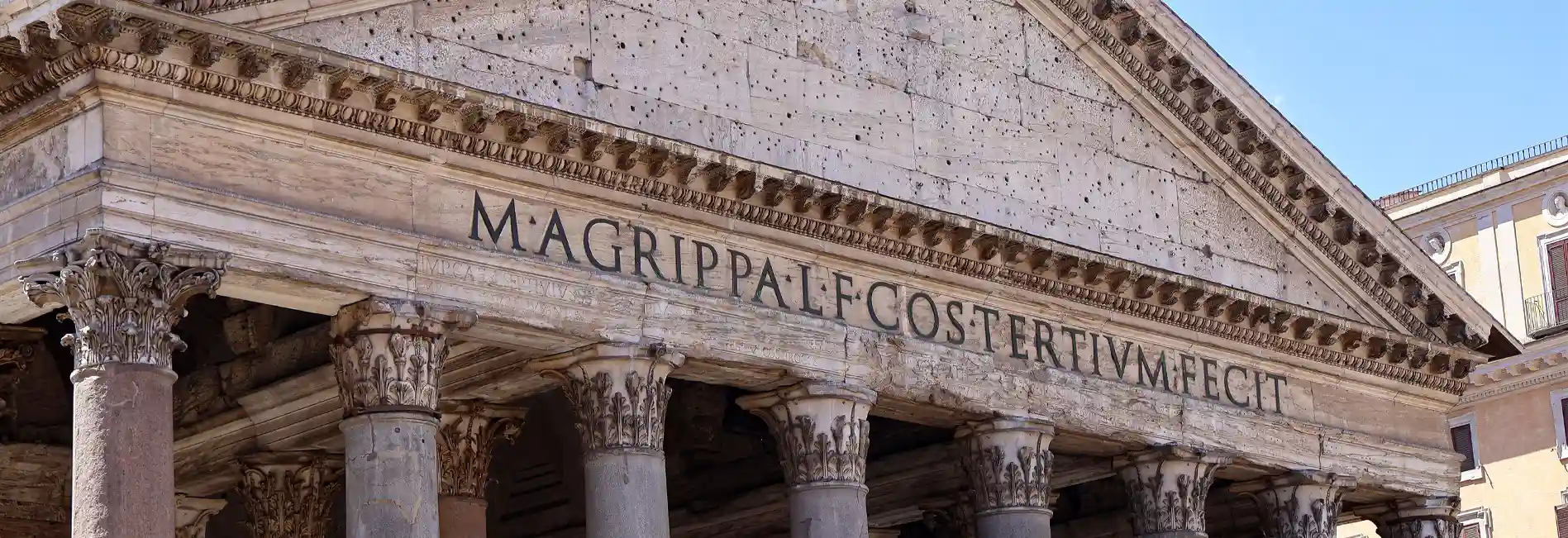
The Pantheon concentrates the visit in a single building. It is worth taking time to admire the portico, the concrete dome and the oculus, as well as the chapels and Raphael's tomb. Its scale makes it easy to include in a route through the historic centre, even if the Colosseum takes up the first part of the day.
How to get from the Colosseum to the Pantheon
The Colosseum and the Pantheon are separated by a walk of approximately half an hour. The walking route can be part of the experience, as it passes through the area of the Imperial Forums, Piazza Venezia and some of the most representative streets in central Rome.
If you prefer to shorten the journey, several bus lines connect the Colosseum area with the historic centre. The Pantheon is located in Piazza della Rotonda and does not have a nearby metro station. Check the status of the service on the same day, as construction work, events and diversions may alter the routes.
Time needed and recommended order
The most balanced option is usually to start with the Colosseum, continue through the Forum and Palatine Hill and leave the Pantheon for the afternoon. This order makes use of the early hours for the outdoor archaeological area and reserves a more compact visit for the end of the route.
If the time assigned to the Pantheon is early, the order can be reversed. The important thing is not to schedule both bookings too close together and to check the validity of access to the Forum-Palatine area. The tickets for the two monuments are used independently, even if they were purchased as part of the same experience.
Colosseum and Vatican Museums in one day
How to travel between the two monuments
Access to the Colosseum is located in Piazza del Colosseo, while the entrance to the Vatican Museums is on Viale Vaticano. You should not go to St. Peter's Square to enter the museums, as the entrance is located on the other side of the Vatican walls.
By public transport, a common route combines Metro Line B from Colosseo to Termini and Line A towards Battistini, getting off at Ottaviano. From there, there is a short walk. Allow around one hour between leaving one monument and the required arrival time at the next to account for transfers, walking and security checks.
When it is better to split the visits over two days
Two days are preferable when the Colosseum ticket includes the Forum and Palatine Hill, when travelling with children or when you want to use audio guides at a relaxed pace. Splitting the visits allows you to dedicate one day to ancient Rome and another to the Vatican collections, without travel time reducing the time spent inside the monuments.
It is also advisable in summer, when the heat makes the archaeological area more demanding, or if you need a slower pace. To prepare for the first day, you can review how to visit the Colosseum: tickets, access and practical tips.
Rome itinerary for one day
If you only have one day, the most realistic option is to choose one of the two combinations. Colosseum and Pantheon leave more time to walk around the centre, while the Colosseum and Vatican Museums make for an intense day, with two timed entries and a longer journey between them.
To combine the Colosseum and Pantheon, start at the amphitheatre and decide in advance how much time you will spend at the Forum and Palatine Hill. Afterwards, walk towards Piazza Venezia, continue to the Pantheon and finish the afternoon in Piazza Navona. The route follows a simple geographical progression and avoids backtracking.
To combine the Colosseum and the Vatican, place the visits at opposite ends of the day and leave the middle of the day free for travelling and eating. Make sure the second booking allows enough time to arrive even if the first visit takes longer than expected and avoid adding the Pantheon as a third scheduled entry.
Rome itinerary for two days
Over two days, dedicate the first day to the Colosseum, Roman Forum and Palatine Hill. Afterwards, you can continue on foot to the Pantheon and explore the historic centre. This arrangement brings together the sites of ancient Rome and takes advantage of the relative proximity between the amphitheatre and Piazza della Rotonda.
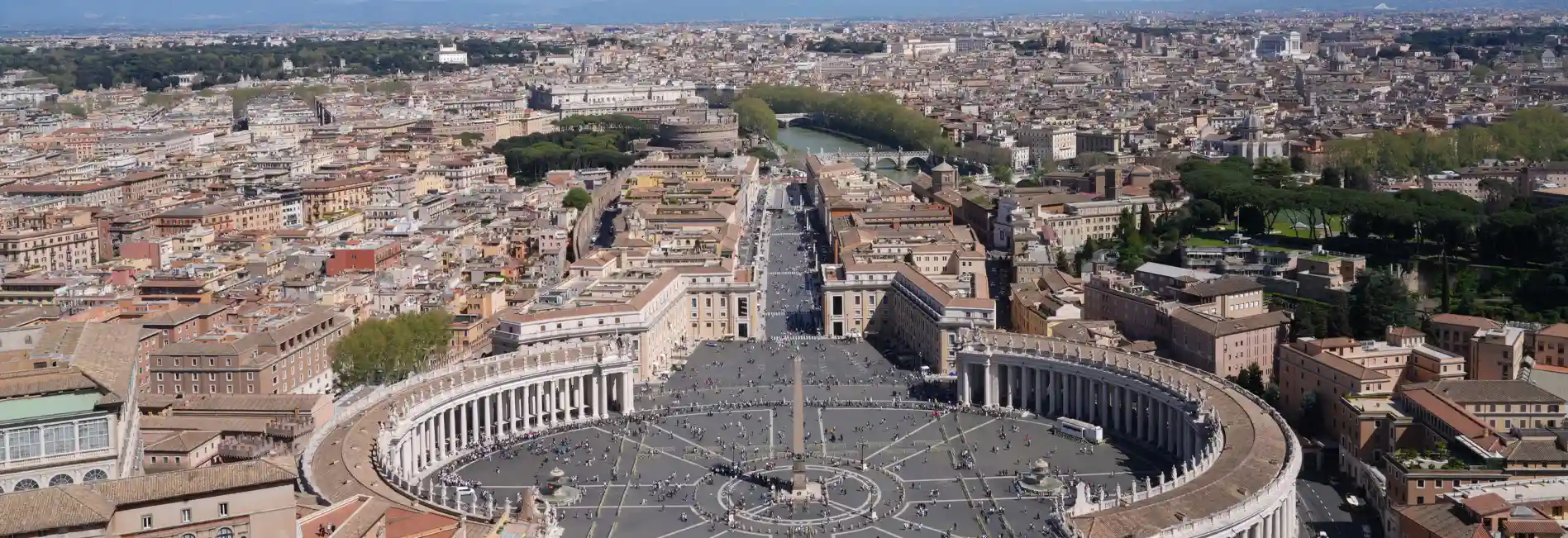
Reserve the second day for the Vatican Museums and select the collections that interest you most in advance. If the schedule allows, complete the route with the area around St. Peter's Square, remembering that the basilica and the museums have different entrances and conditions.
This organization also leaves time to better understand what you have seen. Before the archaeological route, you can expand the context with the history and curiosities of the Roman Colosseum and then recognize its traces in the monument.
Which combined experience to choose
The combination of the Colosseum and Pantheon is ideal for those who want to explore the centre on foot and bring together two landmarks of Roman architecture in one day. It is the most compact alternative and offers greater flexibility to add squares, fountains or a break during the itinerary.
The combination of the Colosseum and Vatican Museums offers a broader contrast between archaeology, art and monumental spaces. It requires more time and a journey by public transport. It is suitable if both places are essential to your trip and you prefer to manage the bookings within a single purchase, even though each ticket retains its own day, time and conditions.
The best choice depends on the pace of your trip, not on the number of monuments you can fit in. Prioritize the actual time inside each site, leave enough time between entrances and check your documentation before leaving: simple planning usually improves the experience more than an overly tight itinerary.